Journal · 04 Sep 2026
Durable Streetwear for Construction Work: Built Different

Table of Contents
- The Problem with Fashion-Only Workwear
- Durable Streetwear for Construction Work: What Actually Matters
- How to Choose Workwear Fabrics That Last
- Heavy-Duty Hoodies for Manual Labor: The Core Layer
- Safety Compliance vs. Aesthetic: Where Streetwear Fits
- Best Practices for Maintaining Work Apparel
- Built for the Grind, Not the Runway
- Frequently Asked Questions
Last Updated: September 4, 2026
Most streetwear falls apart the first time it meets a real job site. That isn't an opinion; it's physics. Fashion brands cut corners on fabric weight and stitch density because their clothes never have to survive a second day of hard labor. Durable streetwear for construction work demands a different standard entirely.
At PJR Built Different, we built our name on a simple principle: clothing should outwork the person wearing it. Born from two decades in professional kitchens, we know what happens when fabric meets friction, heat, and long hours.
Durable streetwear closes the gap between the runway and the worksite. It delivers the cut and attitude you want off the clock while holding up to the abrasion, sweat, and abuse you dish out on it.
The Problem with Fashion-Only Workwear
The biggest mistake buyers make is trusting the aesthetic without checking the construction. A jacket can look rugged on a hanger and still tear at the shoulder seam the first time you reach overhead with a load of timber. Fashion brands design for cameras, not for concrete.
Fabric weight tells the story immediately. Standard fashion tees hover around 150 to 180 grams per square meter (peer-reviewed research). That fabric might feel fine in a coffee shop, but it won't survive contact with tools, rebar, or rough framing lumber. The result is a wardrobe that looks beaten up within weeks, not years.
The failure points are predictable. Seams pull apart, buttons snap, zippers jam, and knees blow out. Each failure traces back to a specific cost-cutting decision in manufacturing. When you understand where corners get cut, you know exactly what to inspect before you buy.
Durable Streetwear for Construction Work: What Actually Matters
Durable streetwear is the intersection of three non-negotiables: heavyweight fabric, reinforced stitching, and hardware that doesn't quit. Skip any one of these and the garment becomes a liability on site.
Fabric weight is your first filter. Look for heavyweight cotton in the 240 to 340 grams per square meter range (peer-reviewed research). That density provides abrasion resistance and structure that lightweight knits simply cannot match. It also drapes better, holding its shape wash after wash instead of sagging into a sloppy mess.

Heavyweight Cotton and Duck Canvas
Heavyweight cotton and duck canvas are the foundation of any serious work wardrobe. Duck canvas, a tightly woven plain-weave cotton, has protected workers for over a century because it resists tearing and abrasion better than almost any other natural fabric.
Ring-spun cotton adds another layer of performance. The process twists and thins the fibers, producing a smoother, stronger yarn that feels softer against the skin while lasting longer than standard cotton.
Reinforced Stitching and Hardware
Stitching is where cheap garments betray themselves. Standard seams use 8 to 10 stitches per inch with single-needle construction (peer-reviewed research). Work-grade clothing demands triple-stitched seams, bartacking at stress points, and 12 or more stitches per inch. These details prevent the seam failures that end a garment's life prematurely.
Heavy-duty hardware matters just as much. Brass or zinc-alloy zippers, reinforced buttonholes, and riveted stress points separate contractor gear from fashion pieces. A broken zipper on a job site isn't an inconvenience; it's a safety hazard and a lost day of work.
How to Choose Workwear Fabrics That Last
Choosing workwear fabrics comes down to matching the material to the demands of your specific trade. A carpenter working outdoors in variable weather needs different protection than an electrician working indoors or a welder exposed to sparks and heat.
Start with the environment. Outdoor trades should prioritize water resistance and wind protection, often through a tightly woven outer shell. Indoor trades can focus more on breathability and moisture-wicking properties, since temperature regulation becomes the primary comfort factor.
Weight and weave determine durability. Heavier fabrics resist abrasion but trap heat. Lighter fabrics breathe but wear out faster. The solution is layering: a moisture-wicking base layer, an insulating mid layer, and a durable outer shell. This system lets you adjust to conditions while keeping each layer within its optimal performance range.
Consider the break-in period honestly. Stiff, heavyweight fabrics often require a week or two of wear before they conform to your body. That initial stiffness is a sign of durability, not discomfort. Garment-dyed options reduce this period significantly, delivering softness from the first wear while maintaining the structural weight you need.
Heavy-Duty Hoodies for Manual Labor: The Core Layer
The hoodie is the most versatile piece in a worker's wardrobe, but only when built to actual work standards. Heavy-duty hoodies for manual labor need dense fabric that holds structure, reinforced shoulder seams, and a hood that stays put when you move. It's the centerpiece of a layering system that adapts to the brutal temperature swings of a construction site.
The ideal work hoodie uses a heavyweight fleece or cotton blend in the 300 to 400 grams per square meter range. That density provides warmth without bulk, allowing full range of motion while protecting against scrapes and cold. Double-lined hoods and reinforced kangaroo pockets add durability where stress concentrates.
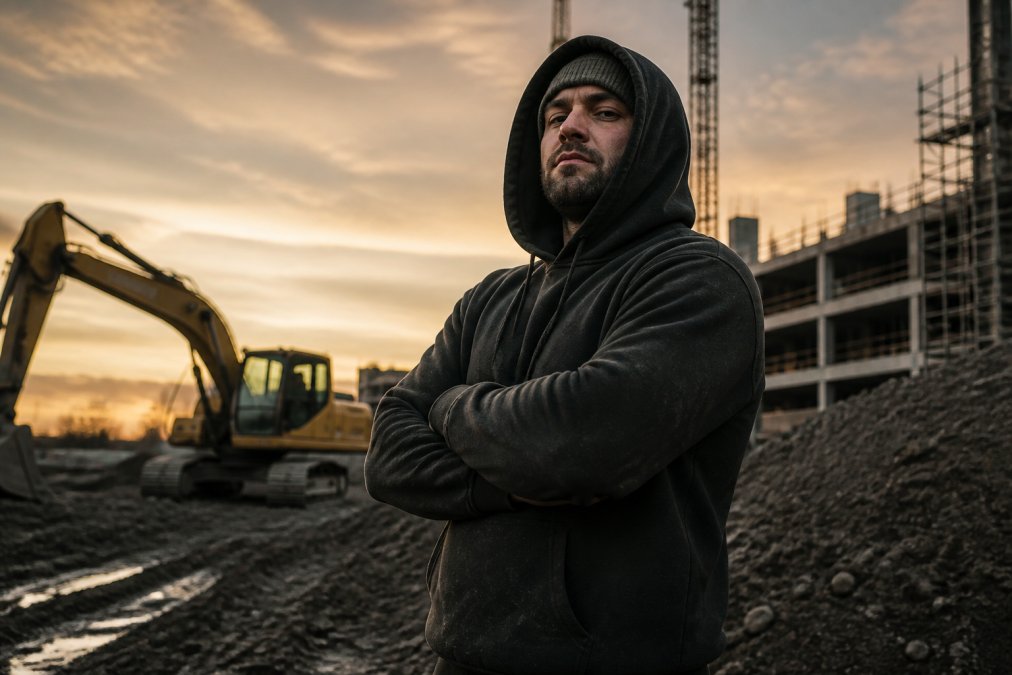
Fit matters more than most buyers realize. An ergonomic fit with articulated sleeves lets you reach, lift, and climb without the fabric binding or riding up. Look for a structured, relaxed cut that accommodates layering underneath without looking sloppy.
The Layering System: From Sub-Zero to Scorching
A single hoodie can't handle every condition. That's why the pros use a three-layer system that works together.
Base Layer (Against the Skin): This is your moisture management. A lightweight, merino wool or synthetic blend tee wicks sweat away from your body, keeping you dry and preventing the chill that comes from damp fabric. On a cold morning, this layer is non-negotiable.
Mid Layer (The Insulator): This is where the heavy-duty hoodie earns its place. Its dense fabric traps a layer of still air between your base layer and the outside, which is what actually keeps you warm. The hood provides critical insulation for your head and neck. Look for a hood that's double-lined and has a drawcord that cinches tight without choking.
Outer Layer (The Shell): This is your defense against wind, rain, and snow. A tightly woven work jacket or a technical shell with a DWR (durable water repellent) finish blocks the elements while allowing moisture vapor to escape. The shell should be cut generously to fit over the hoodie without compressing it, which would defeat the insulation.
Adapting the System to the Season
Winter Site Work: Base layer + heavyweight hoodie + insulated shell. The hoodie is your primary insulator. Choose a fleece-lined or brushed-back version for maximum warmth. The shell should be windproof and waterproof, with a hood that fits over your hard hat.
Spring and Fall: Base layer + heavyweight hoodie. The hoodie is the outer layer. Its dense fabric handles light wind and drizzle. When the sun comes out, you can shed the hoodie and work in just the base layer.
Summer Heat: Base layer only. A heavyweight tee in a breathable cotton or a technical blend that dries fast. The key is a fabric that wicks sweat and doesn't cling.

The Hoodie's Role in the System
The hoodie is the most adaptable piece in this system. It's the insulator in winter, the outer shell in spring, and the layer you tie around your waist when the afternoon sun hits. Its value isn't just in what it does alone, it's in how it completes the system.
Safety Compliance vs. Aesthetic: Where Streetwear Fits
Streetwear cannot replace certified safety equipment, and pretending otherwise is dangerous. High-visibility vests, hard hats, and protective footwear exist because regulations require them. No fashion brand can design around those requirements.
What durable streetwear does offer is the layer beneath the safety gear. A heavyweight hoodie or work jacket provides warmth, protection, and durability while you wear your required safety equipment over it. The aesthetic matters for the drive to work, the lunch break, and the hours after the shift ends.

Know where the line sits. If your job requires flame-resistant clothing or specific dielectric protection, only certified garments meet that standard. Streetwear, no matter how well built, cannot substitute for compliance. Use it for what it is: durable, good-looking clothing that survives the grind without falling apart.
Best Practices for Maintaining Work Apparel
Most guides stop at 'wash cold, hang dry.' That advice is fine for a fashion tee, but it's not enough for a 340 GSM hoodie that's been through a season of concrete dust, rebar scrapes, and hydraulic oil. The goal isn't just to clean the garment, it's to preserve the structure, the drape, and the fit. Here's the maintenance protocol that keeps heavyweight gear performing shift after shift.
The Wash Cycle: Protect the Surface and the Structure
The biggest mistake is washing workwear with your regular load. Zippers, buttons, and abrasive dirt create friction that pills the fabric and dulls the surface. Wash heavy garments separately or with other workwear only.
Turn everything inside out. This protects the outer face from abrasion and prevents the color from fading unevenly. Use cold water, never warm or hot. Heat relaxes the twist in ring-spun yarns and accelerates fiber breakdown, which leads to the sagging and distortion that ruins the fit.
Skip the fabric softener entirely. It coats the fibers with a waxy residue that reduces breathability and traps odors. Use a mild, enzyme-based detergent designed for technical fabrics instead.
Drying: The Line Between Structured and Sloppy
The dryer is the fastest way to destroy a heavyweight garment. High heat shrinks cotton unevenly, warps the seams, and breaks down the elastic in ribbed cuffs and waistbands.
Line dry everything. Hang jackets and hoodies on a wide, padded hanger to maintain shoulder shape. Lay knit garments flat on a drying rack to prevent stretching. If you must use a dryer, use the lowest heat setting and remove the garment while it's still slightly damp.
Spot Treatment: Act Before It Sets
Grease, oil, and cement dust are the three enemies of workwear. Each requires a different response.
For grease and oil, apply a small amount of dish soap directly to the stain and work it in gently with your fingers. Let it sit for 10 minutes before washing. For cement or plaster dust, brush it off dry before it gets wet, water turns it into a paste that's nearly impossible to remove. For paint and solvents, check the manufacturer's guidance for the specific product. Never rub a stain aggressively; you'll damage the weave and create a permanent mark.
Repair: Fix It Before It Fails
A small tear or loose seam is a warning, not a fashion statement. On a job site, a minor snag can turn into a major failure within days. Address rips immediately with a needle and thread or take it to a repair shop. Reinforce stress points like pocket corners and shoulder seams with a bartack stitch before they fail.
Storage: Respect the Structure
How you store workwear between shifts matters as much as how you wash it. Hang heavy jackets and hoodies on wide hangers to maintain the shoulder line. Fold knit garments rather than hanging them. Keep them in a dry, ventilated space, damp storage promotes mildew, which weakens cotton fibers.
This level of care isn't about being precious with your gear. It's about extending the life of clothing that's built to work. A few minutes of attention after each shift returns years of additional service.
Built for the Grind, Not the Runway
The streetwear industry sells an image of toughness. What it rarely delivers is the actual durability to back it up. Real work-grade clothing starts with heavyweight construction, reinforced stitching, and honest materials.
PJR Built Different builds for the people who show up early and stay late. Our premium heavyweight collection includes the Men's Premium Heavyweight Tee in 100% combed ring-spun cotton at 6.5 oz, engineered to resist shrinkage and hold shape through months of daily wear. The Unisex Super Heavyweight Hoodie delivers the dense, structured warmth that manual labor demands, while garment-dyed options like the Unisex heavyweight tee combine structure with a lived-in feel from day one.
No investors, no shortcuts, no marketing hype. Just clothing built on twenty years of knowing what hard work does to fabric. When you're ready to wear something that matches your work ethic, contact us and see what built different actually means.
Frequently Asked Questions
What makes streetwear durable enough for construction sites?
Durability comes from the fabric weight and construction method. Look for heavyweight cotton around 240 gsm or more, or duck canvas. Triple-stitched seams and reinforced stress points, like the shoulders and elbows, prevent blowouts during repetitive motion. A dense weave offers better abrasion and tear resistance than standard fashion fabrics. Durable streetwear for construction work must survive friction from tools, materials, and daily washing without losing its structure.
Can you wear streetwear on a construction site while meeting safety standards?
Streetwear itself is not personal protective equipment. It can't replace a hard hat, safety glasses, or hi-vis gear required by Norwegian regulations. However, it works as a durable base layer under site-approved outerwear. Choose clothing without hanging cords or loose elements that could snag. The benefit is comfort and durability during the workday, while your outer layers handle the specific safety requirements. Always check your site's dress code before anything else.
How do you balance style and functionality in workwear?
Look for a functional design that serves the job first. Utility pockets need to be positioned where you can actually reach them. An ergonomic fit allows full range of motion when you stretch, bend, or climb. The workwear aesthetic should come from honest materials and rugged construction, not from fake distressing. When a garment is built from real heavyweight fabric with reinforced stitching, it looks right because it performs right. That is the balance.
Why is fabric quality critical for construction-grade apparel?
Fabric quality decides how long a garment survives. Cheap materials pill, tear, and lose their shape after a few washes. High-tensile strength fabrics, like combed ring-spun cotton, resist breaking under stress. A tight weave improves tear resistance and protects against abrasion from rough surfaces. Quality fabric also handles moisture-wicking better, keeping you drier on the job. Investing in better fabric means replacing your gear less often, which saves money across a full year of daily wear.
Editorial Team