Journal · 08 Sep 2026
Heavy Duty Cotton Hoodies: The 2026 Buying Standard

Table of Contents
- The Heavy Duty Cotton Hoodie Standard: GSM and Fabric Density
- What Makes a Heavy Duty Cotton Hoodie Worth Buying Online
- Why 100% Cotton and High-GSM Fleece Win for the Daily Grind
- Review: PJR Built Different Heavyweight Hoodie Lineup
- Comparing Heavy Duty Cotton Hoodies: Fit, Price, and Construction
- How to Care for Heavy Duty Cotton Apparel So It Lasts
- The Verdict: Which Heavy Duty Hoodie Should You Buy?
- Frequently Asked Questions
Last Updated: September 8, 2026
Most hoodies sold online are thin, flimsy fabric shaped like a hoodie, designed for a season of wear. The real standard for a heavy duty cotton hoodie is measured in grams per square meter (GSM) and fabric density. This guide from PJR Built Different breaks down what separates a hoodie built for the daily grind from a costume.
The Heavy Duty Cotton Hoodie Standard: GSM and Fabric Density
GSM, or grams per square meter, is the single most important number when buying heavy duty cotton hoodies online. It measures fabric density and directly dictates warmth, durability, and structure. But the term "heavy duty" gets thrown around loosely, so you need a clear benchmark to separate real weight from marketing fluff.
Here is the reality check most brands do not want you to see:
| GSM Range | Category | What It Actually Means | Real-World Lifespan |
|---|---|---|---|
| 150-200 GSM | Fashion weight | Thin, drapes like a t-shirt, zero structure | A season, maybe two |
| 200-280 GSM | Standard weight | The typical mall hoodie. Comfortable but flimsy under stress | 1-2 years with careful washing |
| 300-340 GSM | Entry heavyweight | The minimum threshold for something you can call heavy duty | 2-3 years |
| 350-450 GSM | True heavyweight | Dense fleece with real structure. Holds its shape, blocks wind | 3-5 years |
| 450+ GSM | Super heavyweight | Maximum density. Stands up on its own. Built for abuse | 5+ years |
The 300 GSM line is the dividing point. Anything below that is a fashion piece. It will pill across the chest and elbows within months, stretch out at the cuffs, and lose its silhouette in the wash. A genuine heavy duty hoodie starts at 340 GSM and climbs from there.

Fabric density is about how tightly the fibers are spun and looped. A tightly knit, high-GSM fleece holds its shape through dozens of washes; a loose, low-GSM fabric pills and stretches quickly. Check the GSM specification before the style. If a brand does not state it, they are likely hiding a thin fabric.
Here is the brutal truth about the 2026 market: most brands slap a "heavyweight" label on a 280 GSM blank and rely on thick prints or heavy dyes to fake density. The fabric underneath is still cheap. When you cannot feel the material online, the GSM number is your only honest friend. If a product page does not list GSM, move on.
A true heavy duty hoodie is not just thick, it is dense. A 400 GSM hoodie traps significantly more air between its loops than a 300 GSM piece, translating directly to warmth. That density also means the fabric drapes with intent and resists the abrasion of daily use, whether against a kitchen counter, a workbench, or the strap of a heavy bag.
What Makes a Heavy Duty Cotton Hoodie Worth Buying Online
Buying online removes the ability to feel the fabric, so rely on specifications and construction details. The essential components of a true heavy duty cotton hoodie include fabric weight, stitch quality, and hardware. Look for reinforced seams, a substantial kangaroo pocket, and ribbed cuffs and hem that snap back rather than stretch out.
A hoodie in the 400+ GSM range acts as a mid-layer providing real thermal insulation. Construction details matter just as much as the fabric. Check for a double-layered hood that holds its structure and a drawstring that feels substantial. These details separate a workhorse from a display piece.
Why 100% Cotton and High-GSM Fleece Win for the Daily Grind
For those who work hard in their clothes, fabric composition is a make-or-break decision. A 100% cotton exterior offers breathability and a natural fiber feel, while the interior fleece provides soft warmth. Blends with a small percentage of polyester add durability and reduce shrinkage, which is why many premium heavyweight hoodies use a cotton-polyester fleece mix for the body.
The concept of thermal insulation is simple: trapped air keeps you warm. A high-GSM fleece traps more air between its loops, making it superior for winter wear. Natural fibers like cotton also handle sweat better than synthetics, whether you are on a job site or in the gym.
Review: PJR Built Different Heavyweight Hoodie Lineup
PJR Built Different builds apparel from the perspective of two decades in professional kitchens, where clothing takes a beating. The lineup focuses on heavyweight construction, not marketing hype, and each option serves a distinct purpose depending on your build and how you plan to wear it.
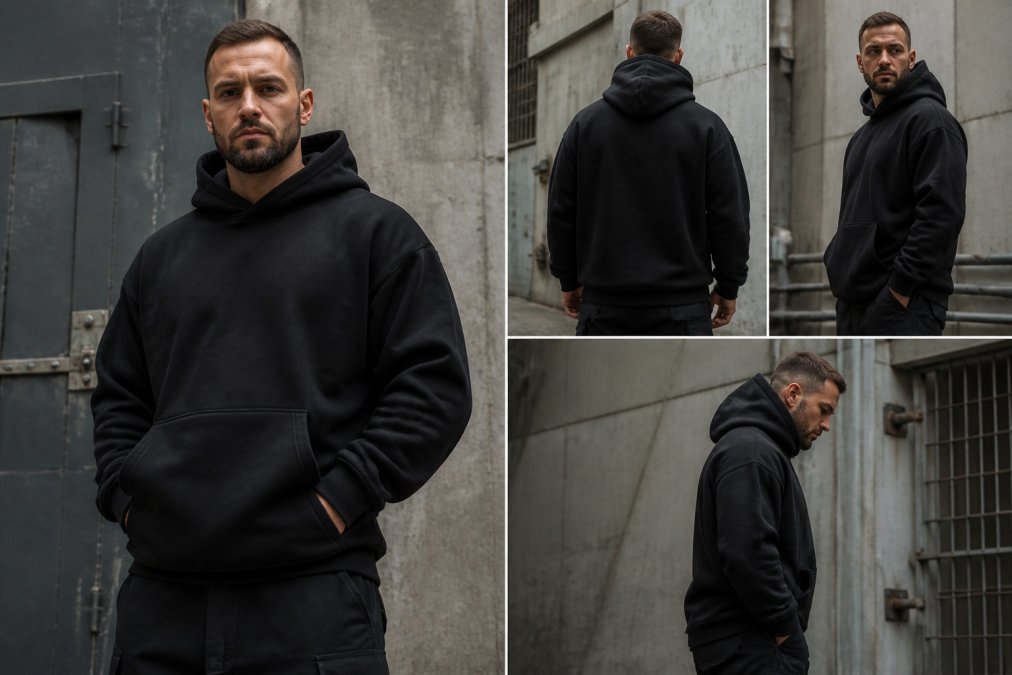
The Super Heavyweight Option for Maximum Structure
The Men's super heavyweight hoodie is the densest piece in the lineup at NOK 505.70. It uses a super heavyweight fleece with a structured, relaxed fit designed to hold its shape through years of wear. This is the option for anyone who wants maximum fabric density and does not mind the bulk. It is built for those who want a garment that stands up on its own.
The Oversized Cut for an Uncompromising Silhouette
For those who prefer an oversized silhouette, the Men's oversized heavyweight hoodie delivers at NOK 695.00. It pairs heavyweight cotton with a drop shoulder, giving it the structure to hold its shape while remaining soft enough for all-day wear. This is the pick for streetwear purists who want a boxy, fashion-forward cut without sacrificing the durability of a heavy garment.

The Core Heavyweight Pullover for Versatile Wear
The Men's Heavyweight Hoodie - Premium Streetwear Pullover is the most versatile entry point at NOK 565.50. Cut from a cotton-poly fleece with a regular fit and drawstring hood, it is designed to take a beating and still look right the next morning. For a no-nonsense option that transitions from work to the street, this is the one to beat.

Comparing Heavy Duty Cotton Hoodies: Fit, Price, and Construction
Choosing the right heavy duty cotton hoodie comes down to how you want it to fit and how much structure you need. The table below breaks down the core lineup to help you decide based on your priorities.
| Hoodie Option | Price (NOK) | Fit | Fabric Focus | Best For |
|---|---|---|---|---|
| Super Heavyweight | 505.70 | Structured, Relaxed | Maximum density | Years of daily wear |
| Oversized Heavyweight | 695.00 | Oversized, Drop Shoulder | Heavyweight cotton | Streetwear silhouette |
| Core Heavyweight Pullover | 565.50 | Regular | Cotton/Poly fleece | Versatile daily use |
| Heavyweight PJR Mark | 390.00 | Regular | Soft fleece | Value and comfort |
| Premium Fleece Hoodie | 851.50 | Relaxed | 80% Cotton / 20% Poly | Maximum warmth |
The price difference reflects the fabric weight and the complexity of the cut. The premium fleece hoodie at NOK 851.50 offers the highest cotton content and a brushed interior for maximum warmth, while the PJR mark hoodie at NOK 390.00 provides a soft fleece interior at a more accessible price point.
How to Care for Heavy Duty Cotton Apparel So It Lasts
Proper care is the difference between a hoodie that lasts a year and one that lasts five. But here is what most care guides do not tell you: heavyweight cotton behaves differently than standard weight fabric over 20+ washes. Understanding that behavior is the key to protecting your investment.
The Shrinkage Reality
All cotton shrinks. A standard fashion hoodie can shrink 5-8% in the first wash, which is why they fit perfectly in the store and feel tight after a month (peer-reviewed research). A properly constructed heavy duty hoodie, pre-shrunk or cut from dense, tightly spun yarn, should shrink less than 3% total, and that shrinkage should happen in the first wash, not progressively over time (extension.org).
Here is the pattern most people miss: the first wash is when the damage happens. If you wash a heavyweight hoodie in hot water or throw it in a hot dryer on day one, you permanently set the fibers into a shrunk state. The hood rides up, the sleeves get shorter, and the body loses its length. That is not a manufacturing defect, that is a care failure.
The 20-Wash Test
A genuine heavy duty hoodie should look and fit nearly identically after 20 washes as it did when new. Here is what to expect at each stage:
- Wash 1-5: Minor surface softening. The fabric loosens slightly as the fibers relax. No visible shrinkage if washed cold.
- Wash 6-10: The fleece interior breaks in and becomes softer against the skin. The exterior should show zero pilling if the yarn quality is high.
- Wash 11-20: This is where cheap hoodies fail. Low-quality fabric starts to pill at the cuffs, hem, and elbows. The drawstring may fray. The hood loses its structure and flops forward.
- Wash 20+: A true heavy duty hoodie still holds its silhouette. The ribbed cuffs snap back. The kangaroo pocket lies flat. The fabric has developed a worn-in feel without breaking down.
The Enemy List
Heat is the primary enemy of heavyweight cotton, it causes shrinkage and breaks down fibers at a molecular level (peer-reviewed research). Fabric softener is the second enemy, coating fibers and reducing their ability to breathe and wick moisture. The third enemy is friction, which causes pilling on high-contact areas.
The Care Protocol That Works
- Wash inside out in cold water, always. This protects the exterior surface and reduces friction on the visible fabric.
- Skip the fabric softener entirely, use a quarter cup of white vinegar in the rinse cycle instead if you need to neutralize odors. It does not leave a residue and actually helps maintain fiber integrity.
- Never use a hot dryer, high heat is the leading cause of shrinkage in cotton garments. Lay the hoodie flat to dry or hang it, which allows the fabric to retain its structure. If you must use a dryer, opt for the lowest heat setting and remove the garment while it is still slightly damp.
- Fold, do not hang, hanging a heavyweight hoodie stretches the shoulders over time. Fold it and store it on a shelf.
The Break-In Period
A true heavy duty hoodie should feel stiff and structured on day one, that is a sign of density. Over the first few wears, the fabric will soften and mold to your body without losing its shape. If a hoodie feels incredibly soft straight out of the package, be suspicious, that softness often comes at the cost of durability. The best heavyweight cotton finds the balance: soft enough to wear all day, dense enough to stand up to real work.
The Bottom Line on Longevity
A properly cared-for heavy duty hoodie should outlast three or four fashion-weight hoodies. When you pay for 400 GSM density and reinforced construction, you are not just buying warmth, you are buying years of use. But that longevity depends on you following the care protocol. The best hoodie in the world will not survive a hot wash and a high-heat dryer cycle.
The Verdict: Which Heavy Duty Hoodie Should You Buy?
If you want the absolute maximum in fabric density and structure, the Super Heavyweight is the clear choice, it is the heaviest option, built to hold its shape through years of wear. If you want a balance of durability and everyday comfort, the Core Heavyweight Pullover is the most versatile. For those who value a specific streetwear silhouette, the Oversized Heavyweight delivers the drop-shoulder look without compromising on fabric quality.
The 2026 standard for heavy duty cotton hoodies is no longer just about a thick feel. It is about verifiable GSM, quality construction, and honest materials. Whether you are working a twelve-hour service or putting in the work at the gym, your clothing should be built to the same standard as your work ethic.
Finding a hoodie that survives the grind takes more than picking the first heavy-looking option online. PJR Built Different builds premium streetwear for those who refuse to take shortcuts, drawing on over 20 years of professional kitchen experience. Every heavyweight hoodie is constructed without investors or compromises, designed for those with real ambition. Get started with PJR Built Different and wear clothing that stands up to your daily hustle. Contact us to find your fit.
Frequently Asked Questions
What makes a hoodie truly heavy duty?
A heavy duty hoodie starts with the fabric. Look for a GSM (grams per square meter) of 300 or higher, which signals a dense, thick knit that holds its shape. Construction matters too: reinforced seams, a sturdy kangaroo pocket, ribbed cuffs, and a double-layered hood. A true heavyweight cotton hoodie uses long-staple cotton or a high-cotton blend that resists pilling and shrinkage. Check the fabric density and stitch quality before you buy, not just the label.
Why choose 100% cotton over synthetic blends for workwear?
For hard daily wear, natural fibers handle heat and abrasion better than synthetics. Heavyweight cotton, especially at 300 GSM or above, provides thermal insulation without trapping sweat, so it breathes during physical work. Cotton also withstands repeated washing without losing its shape when cared for properly. Synthetic blends often pill faster and can break down under friction. A 100% cotton exterior with a fleece-lined interior offers the best balance of durability and comfort for a daily grind.
How do I identify high-quality heavyweight fabric when shopping online?
Start with the GSM spec. Anything below 250 GSM is standard weight; heavy duty starts around 300 GSM. Look for explicit fabric composition: 100% cotton or an 80/20 cotton-poly fleece. Check for details like long-staple cotton, which resists pilling, and reinforced seams or taped hoods. Read product descriptions for the fabric weight and construction methods. Images can mislead, so trust the technical specs over the photos.
Are heavy duty hoodies suitable for all-season wear?
Yes, when you choose the right weight. A 300-350 GSM hoodie works for autumn and spring, and it layers well under a shell in winter. For milder summer evenings, a lighter fleece around 250-280 GSM is more practical. The key is breathability. A high-cotton heavy duty hoodie regulates temperature better than a synthetic one, so you stay comfortable during physical work or a night out without overheating.
How should a premium heavyweight hoodie fit for maximum durability?
A relaxed fit is the most durable option, not a baggy one. It allows full range of motion without stressing the seams, which is what causes tears under the arms. Look for a cut that follows your shoulders and chest without pulling. Drop shoulders and ribbed cuffs help the hoodie hold its structure through years of wear. Avoid anything too tight: constant tension on the fabric accelerates breakdown.
Editorial Team