Journal · 21 Sep 2026
Why Premium Shirts Shrink: The Real Science

Table of Contents
- Why Premium Shirts Shrink
- The Best Way to Wash Premium Cotton T-Shirts
- How to Stop Hoodie Collars Stretching
- Water Hardness and Fiber Behavior
- How to Unshrink a Cotton Shirt
- Built Different: Choosing Garments That Hold Their Shape
- Frequently Asked Questions
Last Updated: September 20, 2026
Why Premium Shirts Shrink
Premium cotton shirts shrink because of how the fibers are manufactured and what happens when they meet water and heat. It's not a flaw, it's physics. Understanding why premium shirts shrink is the first step to keeping your investment looking sharp for years.
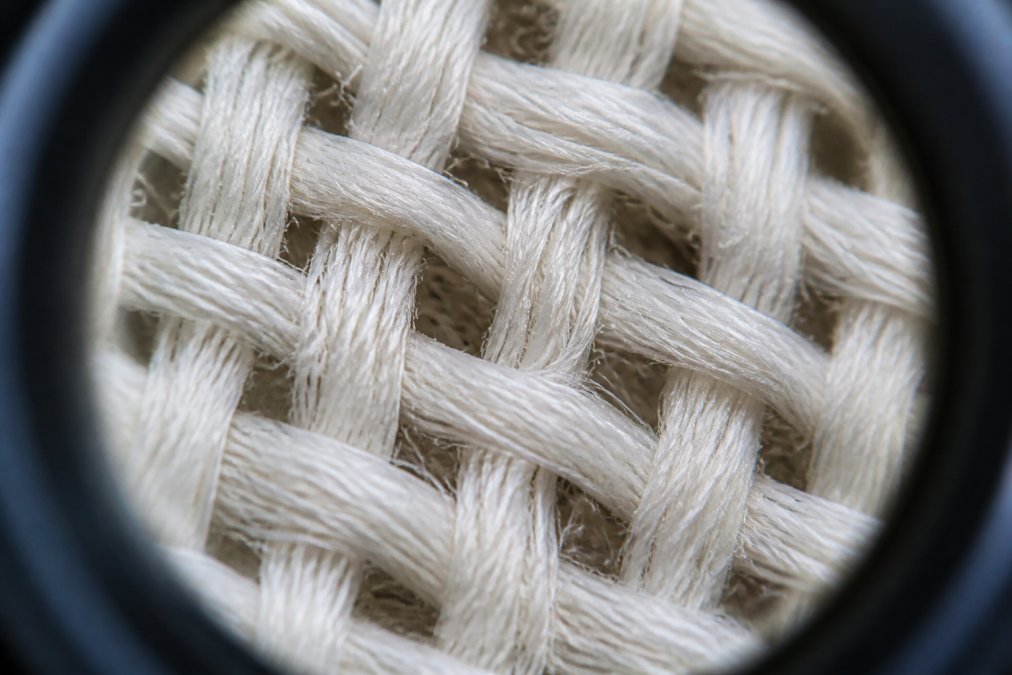
Cotton fibers start their life under tension. During the manufacturing process, the fabric is stretched and held tight to create a smooth, structured finish. This tension is artificial. The fibers want to relax back to their natural state. When you wash your shirt in warm water and tumble dry it, you're giving those fibers exactly what they need to do just that.
The best premium brands know this. They pre-shrink their fabric before cutting and sewing. But even pre-shrunk garments can shrink slightly, usually 2-3%, if you don't follow care instructions. Most people don't. They throw a NOK 331.50 oversized t-shirt in the wash like it's a basic cotton tee, then wonder why it fits differently.
Fiber Relaxation and Tension in Manufacturing
Cotton fibers don't naturally sit flat and tight. The manufacturing process forces them into that state. Mills apply mechanical stress to align fibers, creating the smooth surface and structured fit you pay for in premium garments.
This tension is temporary. The moment those fibers get wet, they begin to relax. Water penetrates the fiber structure, causing the cotton to swell slightly. As the fiber swells, it shortens. This is fiber relaxation, and it's unavoidable with untreated cotton.
A structured fit shirt holds its shape because the fibers are locked under tension. Release that tension, and the garment naturally contracts. This is why our Men's organic ribbed-neck t-shirt at NOK 219.70 uses a ribbed neck, the tighter weave resists relaxation better than loose knits.

Pre-shrinking reduces this problem but doesn't eliminate it. Manufacturers run the fabric through hot water and heat to trigger some relaxation before cutting. What's left is a smaller amount of residual shrinkage. If you ignore the care label, you're triggering what the manufacturer already tried to prevent.
Heat and Moisture: The Triggers
Heat and moisture work together to shrink cotton. Neither alone causes significant shrinkage. Together, they're unstoppable.
Warm water opens up the fiber structure. The cotton swells as moisture penetrates. Heat accelerates this process and locks in the new, shorter fiber length. Tumble drying at high temperatures is the worst combination, it's heat, moisture, and mechanical agitation all at once.
This is why cold water washing with air drying preserves shape. Cold water doesn't open the fibers as much. Air drying avoids the heat that locks in shrinkage. The garment relaxes more slowly and less completely. You get minimal shrinkage instead of catastrophic shrinkage.
Most people ignore this because it's inconvenient. They want fast results. But if you're spending real money on premium streetwear, the extra five minutes of hanging a shirt to dry is nothing compared to ruining a NOK 277.50 crewneck.
Pre-Shrunk vs. Non-Pre-Shrunk Fabric
Not all premium brands pre-shrink. Some lean into the shrinkage as part of the design. You buy a size up expecting it to shrink to fit. This is intentional. It's also a gamble if you get the sizing wrong.
Pre-shrunk fabric has already gone through the relaxation process at the mill. The fabric is smaller than it would be raw. When you buy a pre-shrunk shirt, the sizing accounts for this. You get what you see.
Non-pre-shrunk fabric is larger and looser. It shrinks more when you wash it. The upside is a softer hand feel initially, the fibers haven't been stressed yet. The downside is unpredictability. Different washing methods produce different results.
PJR Built Different uses pre-shrunk 240 gsm carded cotton on our oversized faded t-shirt at NOK 331.50. The fade is garment-dyed, which adds another layer of fiber relaxation. We account for this in the cut. You don't have to guess.

The Best Way to Wash Premium Cotton T-Shirts
Washing premium cotton correctly is simpler than you think. It comes down to three choices: water temperature, cycle selection, and drying method.
These three variables determine whether your shirt stays sharp or becomes a shrunken mess. Get even one wrong, and you're fighting an uphill battle.
Water Temperature and Cycle Selection
Cold water is non-negotiable for premium cotton. Anything above 20°C risks triggering fiber relaxation. Most people wash at 40°C or higher because they think it cleans better. It doesn't. Detergent does the cleaning, not heat.
Use a delicate cycle or hand wash if the care label allows it. The delicate cycle uses less mechanical agitation, which means less stress on the fibers and less opportunity for shrinkage. A standard wash cycle tumbles the garment more, creating friction that speeds relaxation.
Here's what actually works:
- Cold water (under 20°C)
- Delicate or gentle cycle
- Mild detergent (less is more)
- Turn the shirt inside out to reduce fading
- Wash with similar colors only
This takes the same amount of time as a regular wash. The only difference is the water temperature setting and cycle choice. If you're serious about keeping premium garments looking new, this is the baseline.
Drying Methods That Preserve Shape
Air drying is the only method that guarantees zero heat-induced shrinkage. Hang the shirt on a line or lay it flat. It takes 4-6 hours depending on humidity and air movement. No shortcuts.
Tumble drying introduces heat, which locks in whatever shrinkage has already occurred from washing. Even low heat settings cause problems over time. The garment fibers are already swollen from the wash cycle. Heat sets that swollen state as the new normal, and the shirt comes out smaller.
If you must use a dryer, use the lowest heat setting available and remove the shirt while it's still slightly damp. This gives you some control over the final size. But it's not ideal. Air drying is the standard for anyone who wants their premium shirt to last.
Our Men's classic t-shirt at NOK 209.00 is structured to hold sharp lines. Air drying preserves that structure. Tumble drying will soften the fabric and reduce the fit over time.

How to Stop Hoodie Collars Stretching
Hoodie collars stretch because the ribbed neck takes constant stress. Every time you pull the hood over your head, you're stretching that collar. The ribbing relaxes, and the collar gets looser.
This isn't shrinkage, it's the opposite. The fibers are being pulled, not relaxed. Over time, the elastic loses tension and the collar sags.
The fix is prevention. Avoid pulling the hood tight over your head. Slip it on gently. When you're not wearing the hoodie, don't hang it by the hood. Store it folded or on a wide hanger that supports the shoulders, not the neck.
Washing matters too. The delicate cycle protects the ribbed neck from additional mechanical stress. Cold water keeps the elastic fibers from loosening prematurely. If your hoodie collar is already stretched, you can't fully restore it, but you can prevent it from getting worse.
Water Hardness and Fiber Behavior
Hard water contains minerals that interfere with how cotton fibers absorb water. Calcium and magnesium ions coat the fiber surface, preventing water from penetrating evenly. This creates uneven relaxation and uneven shrinkage.
In areas with hard water, the same shirt can shrink differently than it would in soft water. This is why the 6-minute rule matters. Hard water requires longer soak times for the detergent to work and for the water to penetrate the fiber evenly.
If you have hard water, consider using a water softener or adding a chelating agent to your wash.
How to Unshrink a Cotton Shirt
If your shirt has already shrunk, you can't fully restore it. But you can recover some size.
The method is straightforward:
- Fill a sink or bucket with lukewarm water
- Add a capful of hair conditioner or fabric softener
- Submerge the shirt for 15-20 minutes
- Gently stretch the shirt to its intended size while wet
- Lay flat to dry, maintaining the stretched shape
Built Different: Choosing Garments That Hold Their Shape
The real solution isn't tricks after the fact. It's choosing garments built to resist shrinkage from the start.
Frequently Asked Questions
Why do premium shirts shrink so much compared to cheaper options?
Premium shirts often shrink more because they use higher-quality cotton with tighter fiber density and less pre-treatment. During manufacturing, tension holds cotton fibers in an unnatural state. When exposed to heat and moisture in washing and drying, those fibers relax to their natural state, causing visible shrinkage. Cheaper garments are often already heavily processed and pre-shrunk, leaving less room for further contraction. The quality of the cotton itself, how densely packed and pure it is, means more potential for fiber relaxation.
Is shrinkage permanent in 100% cotton garments?
Yes, shrinkage from fiber relaxation is permanent. Once cotton fibers return to their natural, relaxed state through heat and moisture exposure, they don't stretch back out on their own. This is why the first few washes are critical, that's when most shrinkage occurs. However, you can prevent it by using cold water, delicate cycles, and air drying. If a shirt has already shrunk, you can attempt restoration using specific techniques, but the original dimensions won't fully return.
Does heat always cause premium cotton to shrink?
Heat accelerates shrinkage, but moisture is equally important. Cotton fibers swell when wet and contract when dry. The combination of heat and moisture, such as in a hot wash or tumble dryer, causes maximum shrinkage. Cold water washing with air drying minimizes the risk significantly. However, even cold water can cause some fiber swelling and relaxation if the garment wasn't pre-shrunk. The key is controlling both temperature and drying method to preserve textile integrity.
Can I prevent shrinkage in premium cotton shirts I already own?
Yes. Use cold water for washing, select a delicate cycle to reduce mechanical stress, and air dry whenever possible rather than tumble drying. If your water is hard, consider using a water softener, as mineral content can interfere with fiber relaxation control. Turn garments inside out to reduce friction damage. For premium pieces like the organic ribbed-neck t-shirt from PJR Built Different, these steps protect both against shrinkage and against color fading and graphic cracking over time.
The difference between a shirt that lasts two years and one that lasts a decade comes down to understanding why premium shirts shrink and taking five minutes to care for them properly. Cold water, delicate cycle, air drying. That's it. Your premium investment deserves at least that much attention.
Editorial Team